
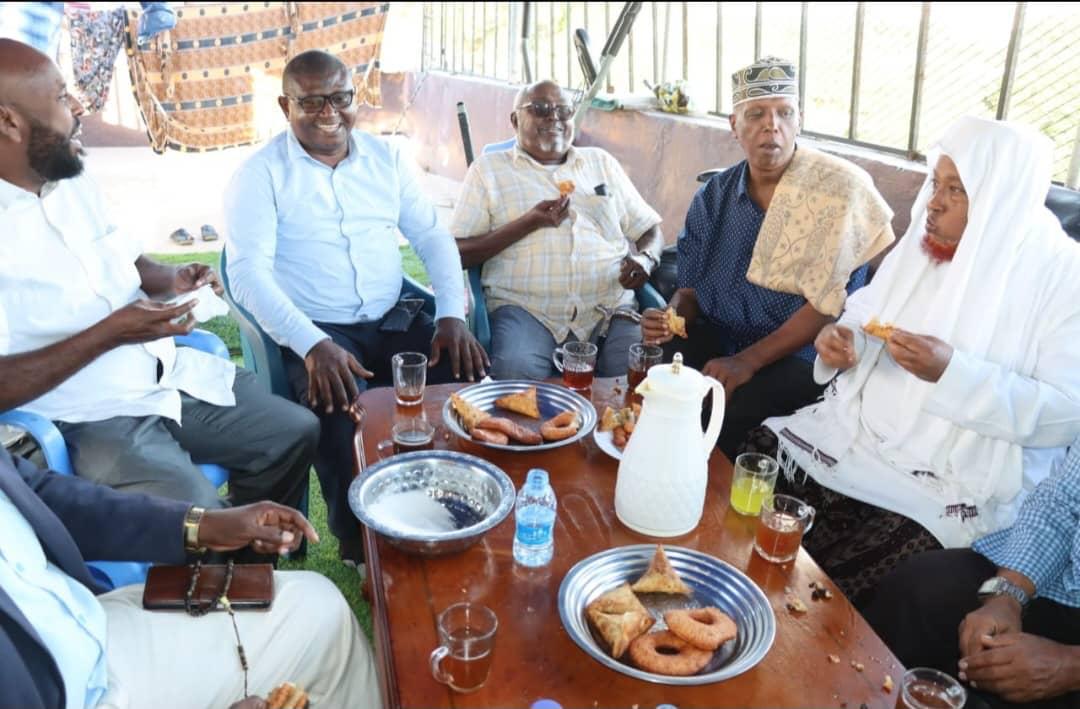
In every community, conflicts are inevitable. Whether it’s a disagreement between neighbors over property lines, noise levels, or differing lifestyles, disputes can escalate if not addressed effectively. Community Mediation and Conflict Resolution Services offer a proactive approach to resolving these issues, fostering peaceful living and promoting unity among residents.
The Role of Trained Mediators
Trained mediators act as neutral third parties who facilitate discussions and guide conflicting parties toward a mutually satisfactory resolution. Their goal is not to impose solutions but to help individuals communicate openly and understand each other’s perspectives. This process encourages collaboration, empathy, and respect, serving as a foundation for lasting peace.
Key Benefits of Community Mediation
- Promotes Open Communication : Often, conflicts arise from misunderstandings or lack of communication. Mediators create a safe space for open dialogue, allowing individuals to express their thoughts and feelings without fear of retribution.
- Empowers the Community : Mediation empowers community members to take control of their disputes. By providing them with the tools and support needed to resolve conflicts independently, residents can strengthen their relationships and develop problem-solving skills that will benefit them in the future.
- Fosters Stronger Relationships : Through the mediation process, individuals can find common ground and rebuild relationships that may have been damaged by conflict. This can lead to a more connected and supportive community.
- Saves Time and Resources : Legal disputes can be costly and time-consuming. Mediation is usually a quicker and more affordable process compared to litigation. With community mediation, issues can be resolved at early stages, saving both time and money for all parties involved.
- Enhances Community Cohesion : As residents work together to resolve their disagreements, they develop a sense of unity and belonging. This collaborative spirit fosters a more resilient community, capable of handling future challenges collaboratively.
Implementing Community Mediation Services
To establish a successful Community Mediation and Conflict Resolution Service, consider the following steps:
- Train Volunteer Mediators : Recruit and train community volunteers to become mediators. Workshops on conflict resolution, active listening, and negotiation can equip them to handle various disputes effectively.
- Create Awareness : Promote the service through community newsletters, events, and local organizations. Educating residents about the benefits of mediation can encourage them to seek help before conflicts escalate.
- Build Partnerships : Collaborate with local organizations, schools, and law enforcement to provide a comprehensive approach to conflict resolution. These partnerships can broaden the service’s reach and enhance its credibility.
- Evaluate Outcomes : Continuously assess the effectiveness of the mediation services by gathering feedback from participants. Use this information to improve processes and adapt the program to meet evolving community needs.


0 Comments